
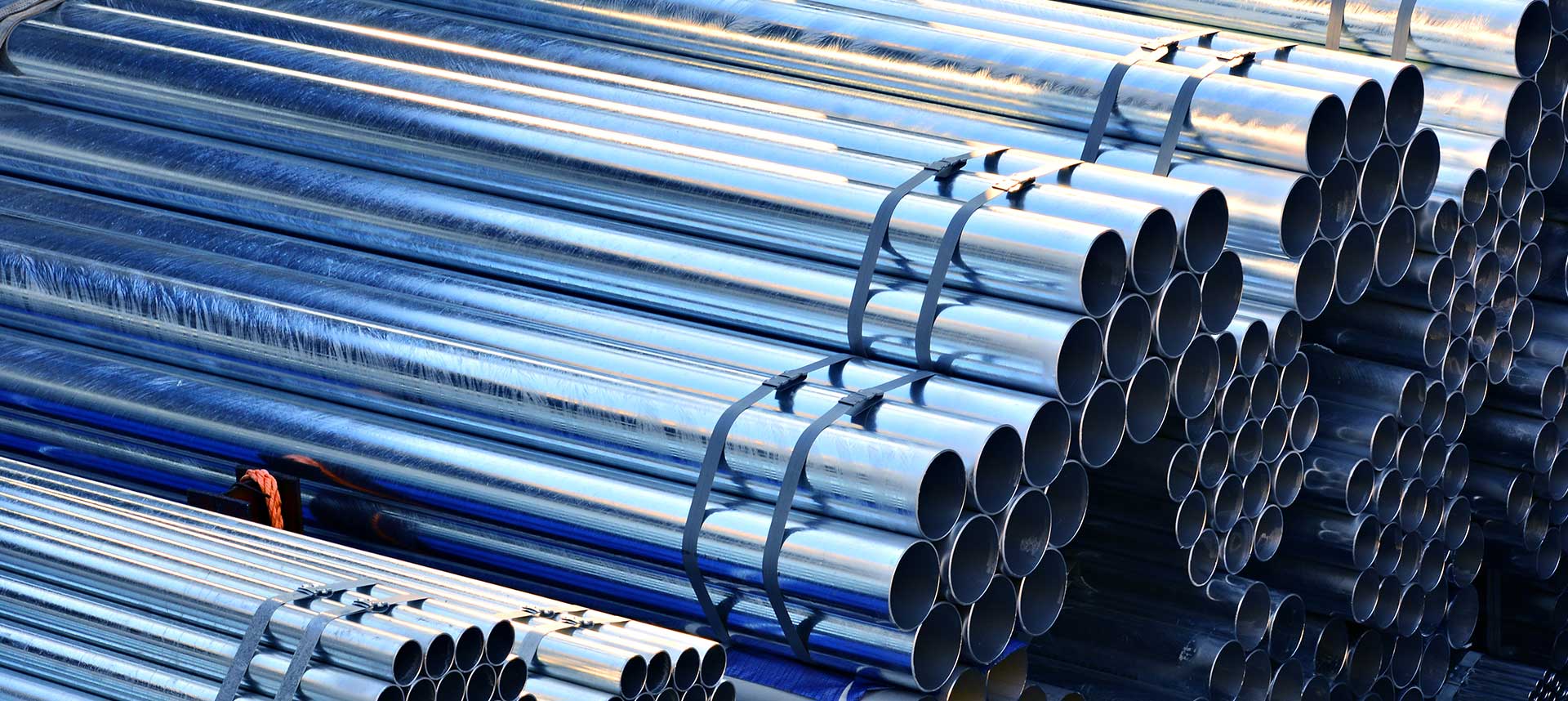
Sourcing piping materials for ADNOC oil and gas work demands a supplier who meets strict specifications, holds the right certifications, and delivers on tight schedules. One misstep in material traceability or documentation stalls entire projects and triggers costly delays.
A piping material supplier for ADNOC projects operates with sharper discipline and deeper accountability across every stage.
Certification and compliance come first
An approved supplier keeps ADNOC vendor registration current and maintains API, ISO, and ASTM certifications that project specifications demand, and this compliance work happens long before a purchase order arrives.
The supplier tracks every revision to ADNOC material standards and adjusts stock and documentation accordingly, so buyers receive pipes, flanges, and fittings that pass inspection without back-and-forth. Documentation packages arrive complete with mill test certificates, heat numbers, and traceability records that match each delivered item precisely.
Material traceability stays airtight
ADNOC projects require full traceability on every component, and a capable supplier builds that trail into the warehouse routine rather than reconstructing it after the fact. Each heat number links to its mill certificate, each certificate links to its purchase order, and each order links to the specific project tag, and this chain stays intact through storage, cutting, and dispatch.
Auditors who request records receive them within hours instead of weeks, and project teams gain confidence that installed materials meet the exact grade and specification called for in the design.
Stockholding matches project demand
Suppliers that regularly serve ADNOC hold inventory in the grades and sizes Gulf projects consume, including carbon steel, stainless steel, and alloy piping in schedules and dimensions that match common ADNOC specifications.
They stock ahead of tender awards and maintain buffer quantities of high-turnover items, so emergency requests do not empty the shelves or force substitute materials into critical service.
Quality control happens at the gate
Every shipment undergoes inspection before dispatch, and the supplier rejects nonconforming material at its own warehouse instead of passing problems downstream. Dimensional checks, visual inspection, and certificate verification are standard steps, and third-party inspection agencies receive access when project specifications require witnessed testing.
This gate-level control stops defective fittings and out-of-spec pipe from reaching site stores and spares project teams the cost of quarantining and replacing rejected material.